
Picture this: your brightest student aces every exam but struggles to work in groups, can’t handle criticism, and freezes up during job interviews.
Sound familiar? Basically, you’re watching someone with excellent academic skills but limited life skills. And unfortunately, this scenario plays out in classrooms across Australia every day.
As educators, we know that preparing students for real-world success means teaching them how to communicate clearly and handle challenges with confidence. Your students need these abilities to succeed in universities, workplaces, and even relationships long after they leave your classroom.
In this article, we’ll cover:
- The difference between hard skills and soft skills
- How to build communication and teamwork abilities in your classroom
- Ways to mix soft skills naturally into your existing lessons
- Common teaching obstacles and practical solutions to overcome them
- The lasting impact these skills have on students’ lives beyond school
Stick with us to learn practical methods that prepare students for life.
The Core Difference Between Hard and Soft Skills
Students often wonder why they need to focus on anything beyond their textbook knowledge. The reality is that success requires two distinct types of abilities: soft and hard skills. While hard skills get you noticed on paper, soft skills direct how well you perform in real situations.
When you understand this difference, you can better prepare students for both immediate academic success and long-term career growth.
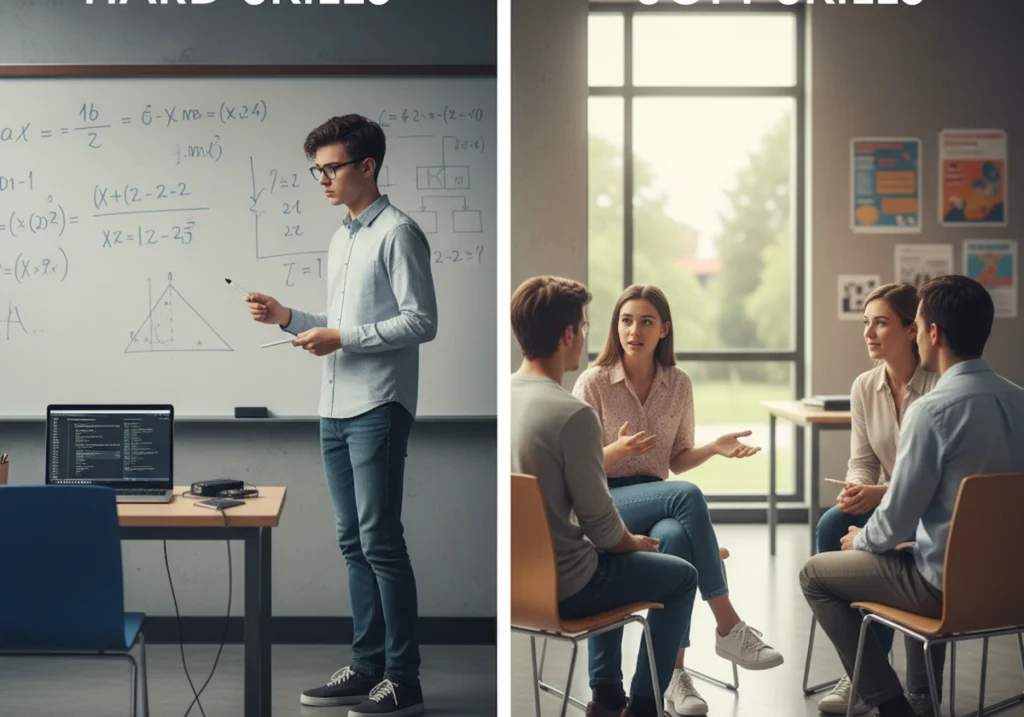
Here’s how these two skill types work in practice:
What are Hard Skills?
Hard skills are the technical abilities you can measure and test directly. Think of these as the specific knowledge you pick up in class or through training courses. You either have them or you don’t (there’s no middle ground here).
Examples of hard skills include:
- Coding in Python or JavaScript
- Mathematical problem solving
- Operating laboratory equipment
- Writing in specific formats
The best part of these skills is that you can clearly see if someone has learned them. So, you get a definite tick or cross on your assessment sheet.
What are Soft Skills?
Your soft skills are the interpersonal and personal attributes that form how you interact with others and handle challenges. These skills affect your relationships, work performance, and personal development throughout life.
Though hard skills might get your foot out the door, it’s often your soft skills that get you the job.
In practice, soft skills focus on building stronger interpersonal relationships and include:
- Strong communication skills
- Leadership skills
- Critical thinking
- Emotional intelligence
- Problem-solving skills
Even though you can’t give marks for how well someone works with others (unlike their maths test), these people skills often decide who gets ahead in their careers. What’s more, research shows that soft skills training improves work readiness and helps job seekers succeed in employment.
The reason is simple: employers can train someone to use new software, but they can’t easily teach an adult how to communicate clearly or handle workplace stress.
Now that you understand what makes these skills different, let’s look at why developing them creates lasting value for your students.
Building Life Skills for Future Success
Why do some students succeed after graduation while others with similar grades struggle to find their footing? Often, the answer comes down to how well they’ve developed their people skills alongside their academic knowledge.
Put simply, students with strong communication and emotional abilities adapt better to new situations and build stronger relationships. That’s why teachers who focus on these life skills give their students an advantage in whatever path they choose after school.
Let’s see how you can build these abilities in your classroom:
Strengthening Communication and Teamwork
Students learn best when they can practice new skills in realistic settings. When young people work together on projects that mirror real-life scenarios, their communication and teamwork abilities grow stronger. The reason this works is that they have to talk through problems and listen to each other to succeed.
Also, group work forces them to consider different perspectives when they need to solve a problem together.
One example of this is having students plan a mock business where everyone has different jobs to do. You’ll notice your shy students start speaking up more, while students who usually take charge learn to listen to others and share the work.
Developing Emotional Intelligence and Resilience
The ability to understand your own feelings is the first step toward understanding others. That means helping students recognise their emotions, manage stress, and bounce back from disappointments. Their emotional skills become the foundation for making good friends and dealing with tough times at work later on.
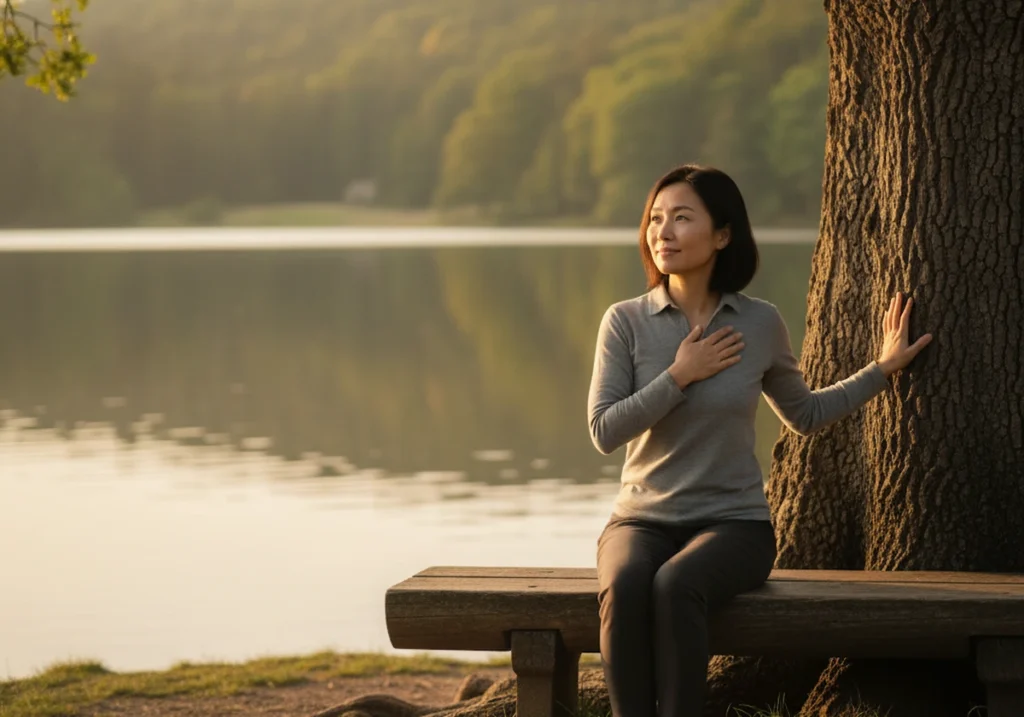
Helpful Tip: Encourage self-reflection through journaling or group check-ins to help them become more self-aware. Once you create regular opportunities for students to process their experiences, they start seeing mistakes as chances to learn instead of reasons to give up.
Since you know how to build these skills in theory, let’s explore practical ways to make this happen in your classroom.
Mixing Soft Skills into Education
The best way to teach soft skills is to make them a part of your regular classroom activities.
Instead of treating them as separate lessons, students develop these abilities naturally when you create opportunities for collaboration, discussion, and reflection within existing subjects. This approach works because it shows students how these skills apply to learning situations.
Here are a few ways to make this happen effectively:
- Shifting from Theory to Application: If you want students to truly develop these abilities, they need hands-on practice rather than just lectures about teamwork. So, create group projects where students must research, debate, and present solutions together to put this theory into action.
- The Power of Experiential Learning: After students experience success through group problem-solving, they understand why these life skills count in their daily lives. When you focus on active learning approaches like group projects and peer teaching, students naturally develop confidence in their interpersonal abilities.
We recommend starting small with partner activities before moving to larger group challenges. This builds their skills gradually while keeping everyone comfortable with the process.
How to Overcome Obstacles in Soft Skills Education
If you face challenges like curriculum constraints and assessment difficulties while teaching soft skills, you can overcome these with targeted training and creative measurement methods.
What stops most teachers is the lack of practical guidance on how to make it work within their existing workload and expectations. But these challenges have straightforward solutions when you know where to start.
Here are the two common hurdles and how to tackle them:
Addressing Curriculum and Teacher Preparedness
Can we teach something we haven’t been taught ourselves? Yes, you’ve guessed it! We can’t do it well.
That’s why many teachers feel unprepared to teach soft skills and life skills alongside their regular subjects.
However, the solution starts with professional development training that shows teachers how to add these skills to the lessons they already know. This approach works well because you can use what you already know and slowly bring in teamwork and communication activities.
It’s like learning to cook pasta with a new sauce instead of learning an entirely different cuisine.
Measuring Growth Beyond Grades
Moving beyond the preparation challenge, teachers also struggle with how to assess these skills fairly.
The problem is that traditional testing doesn’t work for measuring teamwork or emotional intelligence. So you need regular feedback methods that capture student growth over time.
While grades show academic progress, consider these alternatives from a different perspective:
- Peer evaluations where students rate each other’s collaboration.
- Self-reflection journals that track emotional growth over weeks.
- Project-based assessments that show multiple soft skill areas working together.
Useful tip: Create easy rubrics (scoring guides) that students can understand and use to evaluate their own progress.
So far, we’ve discussed the practical steps for teaching these skills and overcoming common barriers. Next, you’ll discover how developing soft skills creates positive changes.
The Broader Impact of Soft Skills
Thinking that soft skills only matter in job interviews or workplace meetings? That’s not true at all. In reality, these abilities influence every aspect of a person’s social life, relationships, and personal growth throughout their lifetime.
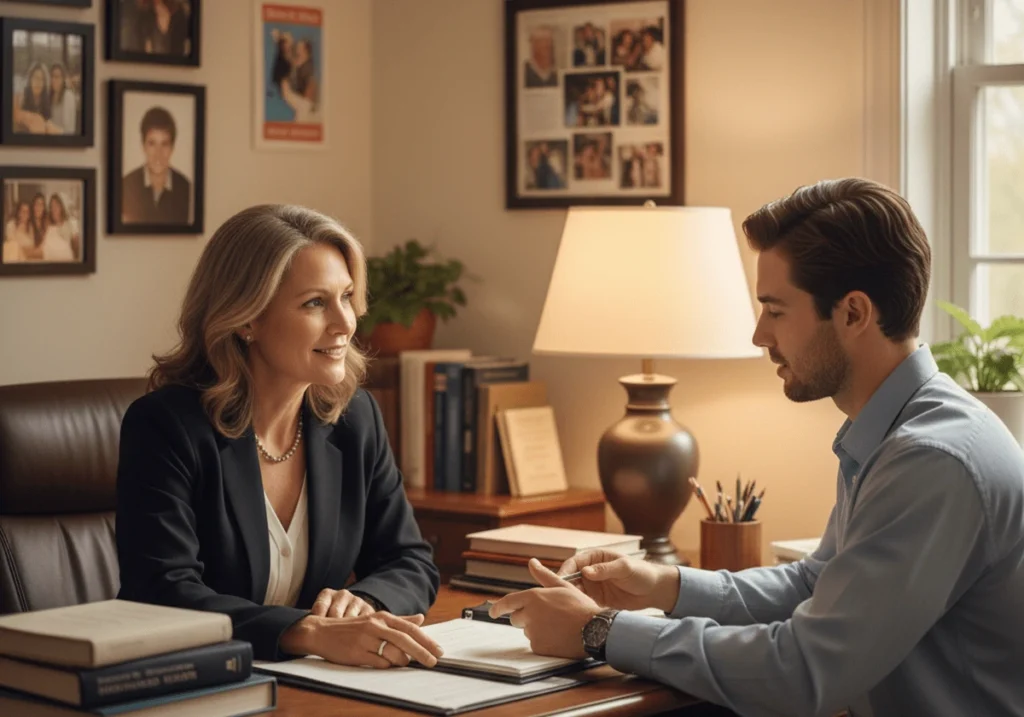
In this section, we’ll show you how teaching communication, teamwork, and other soft skills creates ripple effects in every area of life.
The Long-Term Value of Critical Thinking
If you think about it, students who learn to question, analyse, and evaluate information become adults who make better decisions in all areas of life.
In fact, critical thinking forms the foundation for continuous improvement because it teaches people to reflect on their experiences and learn from them. These social and emotional skills help graduates handle complex relationships, career changes, and personal challenges with greater confidence and clarity.
After some time in the workforce, you’ll notice these students adapt better to changing circumstances and solve problems more effectively.
The Importance of Self-Discipline and Problem Solving
Students who develop self-discipline and problem-solving abilities gain tools that serve them far beyond their first job. These skills boost an individual’s ability to stick with difficult tasks, think through challenges with creative thinking, and maintain a learning mindset when facing setbacks.
The result is graduates who can handle whatever life throws their way, whether that’s a career change, relationship challenge, or unexpected opportunity.
One of our teachers shared how she watched a former student use his classroom teamwork skills to organise neighbourhood flood relief after severe storms hit his area. He naturally knew how to coordinate volunteers, delegate tasks, and keep everyone motivated during stressful times.
Turns out, all those group projects about Shakespeare did prepare him for real life (just not in the way we expected).
Preparing Students for Tomorrow’s World
Today’s students face a rapidly changing world where academic excellence alone won’t guarantee success. The gap between classroom learning and real-world demands continues to grow. But with the right teaching strategies, you can help bridge this divide and prepare students for genuine success.
Throughout this article, we’ve explored identifying different skill types, building classroom communication, integrating abilities into lessons, and tackling teaching challenges. Also, you’ve learned how these skills create lasting benefits that extend into students’ relationships, careers, and personal growth throughout their lives.
We at Francis Orr help teachers find schools that care about building both academic knowledge and life skills in their students. If you’re ready to grow your teaching career while helping students succeed in life, we’re here to support you.