
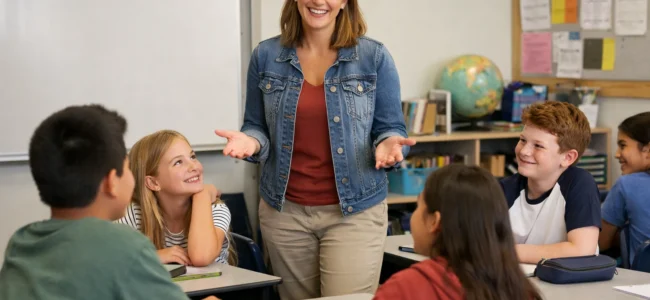
Walking into a new classroom as a Casual Relief Teacher (CRT) means you need to build rapport fast with students you’ve never met before. The kids already have a connection with their regular teacher, and now you’re stepping into those shoes on day one.
It might feel overwhelming at first, but it doesn’t have to be. A few simple teacher rapport tips, like learning names quickly and asking the right questions, can help you get the ball rolling on trust right from the start.
In this guide, we’ll cover practical ways to connect with students, use classroom management to build positive relationships, and handle behaviour through connection instead of control.
Ready to turn awkward first days into engaging lessons? Let’s get started.
First Day Wins: Making Instant Positive Connections
Making positive connections on day one starts with three things: learning names, showing genuine interest, and using body language that puts students at ease. When students see that effort early, they’re more willing to engage throughout the lesson. Here’s what that looks like in a real classroom:
Learn Every Student’s Name Fast
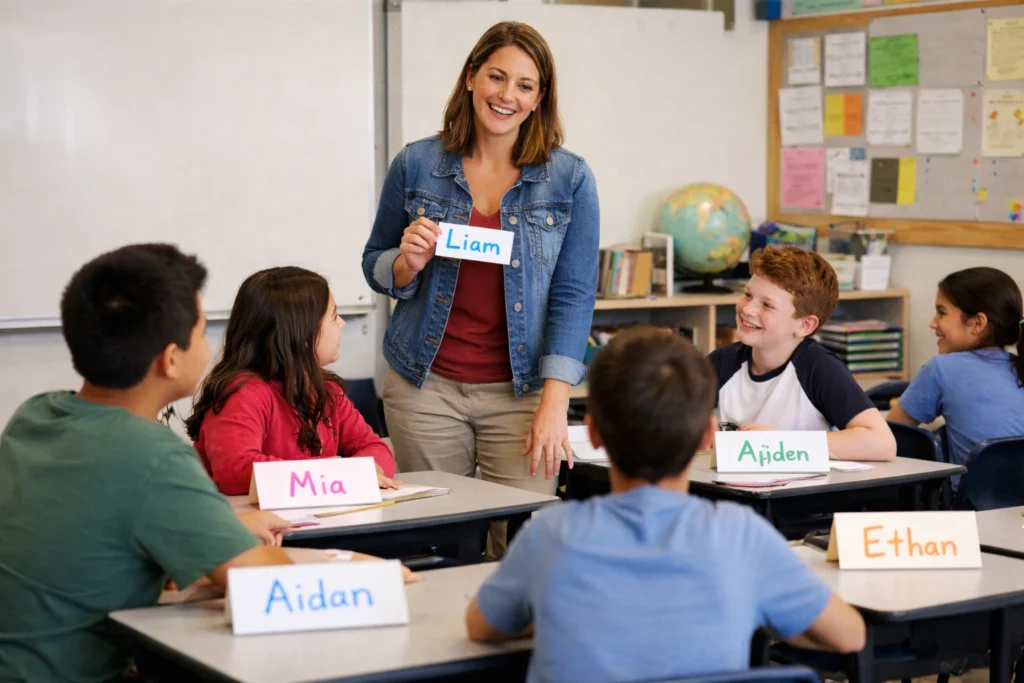
Using a paper register or name cards on desks helps you learn names during the first lesson. You’ll mix up a few names at first (three Olivias in one class will do that to you), but students notice the effort regardless.
Try a name game where each person says an adjective starting with their first letter. It makes introductions fun and memorable. “Adventurous Alex” or “Brilliant Bree” stick in your mind better than just hearing “Alex” or “Bree.”
Calling students by name throughout the day is a sign of respect. Saying “hey, you” or “excuse me” keeps them anonymous. Using their actual name makes them feel seen.
Use Body Language to Encourage Students
Crouching down to eye level when talking to seated students makes you less intimidating. This works especially well in primary school, where the height gap can make you feel like a giant.
Eye contact signals engagement. So look at them and nod along while they speak to communicate that their words have value.
Smiling and looking relaxed also tells the room you’re comfortable being there. That relaxed presence spreads through the room and helps set a steady tone.
Can You Build Trust Through Classroom Management?
Yes, absolutely! Managing behaviour through trust means students actually want to cooperate instead of resisting your authority. Keeping calm when they’re pushing boundaries isn’t always easy, but it’s how you earn respect in the classroom.
So set clear boundaries during your first lesson. Explaining your classroom rules calmly helps students understand what you expect without feeling controlled.
For example, tell the class you expect hands up before anyone speaks, or that students need to stay in their seats unless they have permission to move around the room. When you’re clear about these expectations upfront, kids know where they stand.
Then focus on reinforcing good behaviour rather than only catching mistakes. Students respond far better when they feel noticed for doing the right thing. Even a simple “I noticed you helped your peer with that maths problem, nice work” makes more impact than you’d think.
How you handle disruptions reveals whether your classroom management actually works. And students watch closely when things go sideways. If you lose your cool, they’ve found your weak spot.
Simple Ways to Engage Students Through Group Work
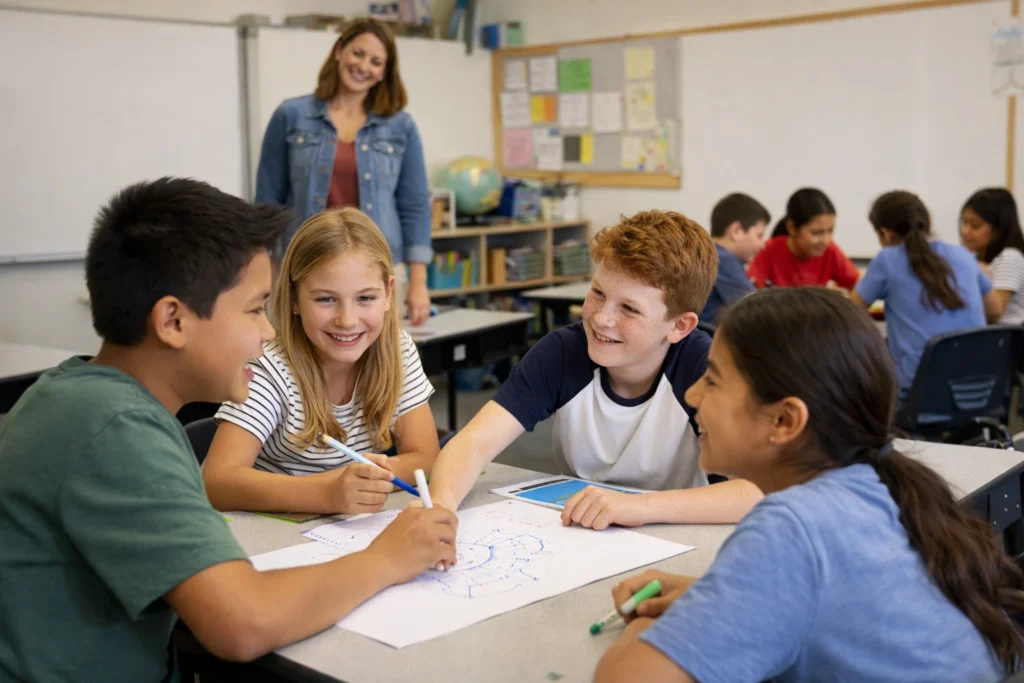
A 2025 study published in Frontiers in Psychology found that collaborative learning increases student engagement by encouraging active participation, shared responsibility, and peer interaction.
For relief teachers, group work offers a practical way to create that engagement without extensive lesson preparation. Here are a few strategies that work well:
- Get Students Moving: Activities like “Find Someone Who” get kids out of their seats and talking around the room. Give students questions like “Find someone who played a sport on the weekend” and let them ask around to discover shared interests. This naturally forms connections you can build on for later activities.
- Balance Your Pairs: When pairing students up, match quieter ones with confident students so everyone contributes without one person dominating. The quieter learners gain confidence from their peers, while more vocal students learn to listen and give others space.
- Use Think-Pair-Share: This technique is simple but effective. Give students a question, let them think for 30 seconds, then pair up to discuss before sharing with the class. Everyone gets processing time before jumping into conversation, which helps anxious students participate more comfortably.
Group work strategies like these consistently improve classroom dynamics because students participate more actively when collaborating with peers, not just listening to you at the front.
Connecting with Other Teachers: Why It Helps Your Class
The staff room holds more answers than any lesson plan ever could. Teaching assistants know which students struggle with reading or need fidget tools, information that would take you weeks to figure out on your own. They’ve worked with these kids for months, sometimes years, so they can tell you which students need extra support before problems even arise.
Start by grabbing a coffee in the staffroom and asking about class dynamics. Find out which students work well together and who needs to sit apart. It’s also worth asking whether the regular teacher uses any behaviour management approaches that work particularly well.
Make an effort to introduce yourself to other teachers as well. It shows professionalism and helps you make a good first impression, which increases your chances of being invited back. Schools also tend to remember relief teachers who connect with the team rather than just showing up, teaching, and leaving.
Ask Students Questions That Create Real Conversations
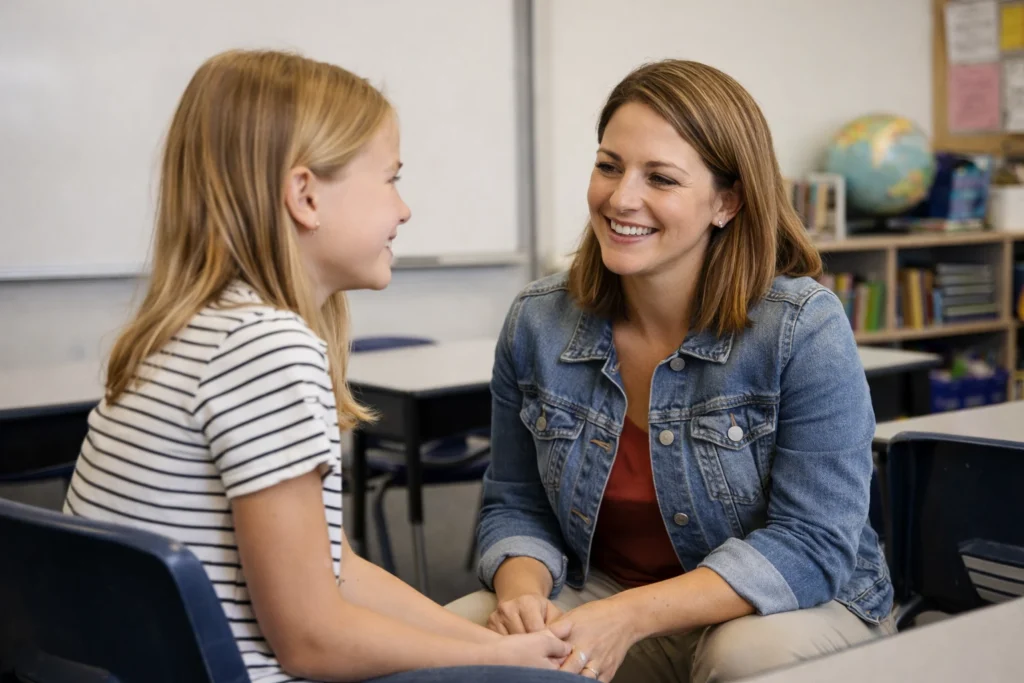
Most relief teachers ask surface-level questions and get one-word answers, so the conversation stalls before it even starts. For example, asking “Did you have a good weekend?” gets a quick “Yeah” and then silence.
Instead, ask open-ended questions like “What’s something you’re proud of lately?” or “What are you working on outside of school?” Questions like these give students room to share more than yes or no.
You can also keep the conversation going naturally by following up on their answers. If a student mentions they’re learning guitar, ask what songs they’re working on or who taught them. This shows you’re genuinely interested and not just making small talk to fill time.
When students feel heard, they open up more in your classroom. You’ll learn what they care about, which helps you connect with them throughout the day and makes building rapport much easier.
Using Connection to Handle Behaviour Issues
Students who feel connected to you are more likely to listen when you address behaviour because they know you respect them. In our experience, the CRTs who get repeat bookings at Victorian schools tend to handle disruptions with calm, private conversations rather than public call-outs.
When you pull a student aside to talk, you preserve their dignity and prevent defensive reactions or power struggles in front of the class. Say a student is talking during instruction. Walk over quietly and ask them to step outside for a quick chat instead of calling them out across the room.
Acknowledge when students improve their behaviour, too. Feedback like this shows that you’re paying attention to their effort and not just their mistakes.
What Happens When You Personalise the Learning Process?
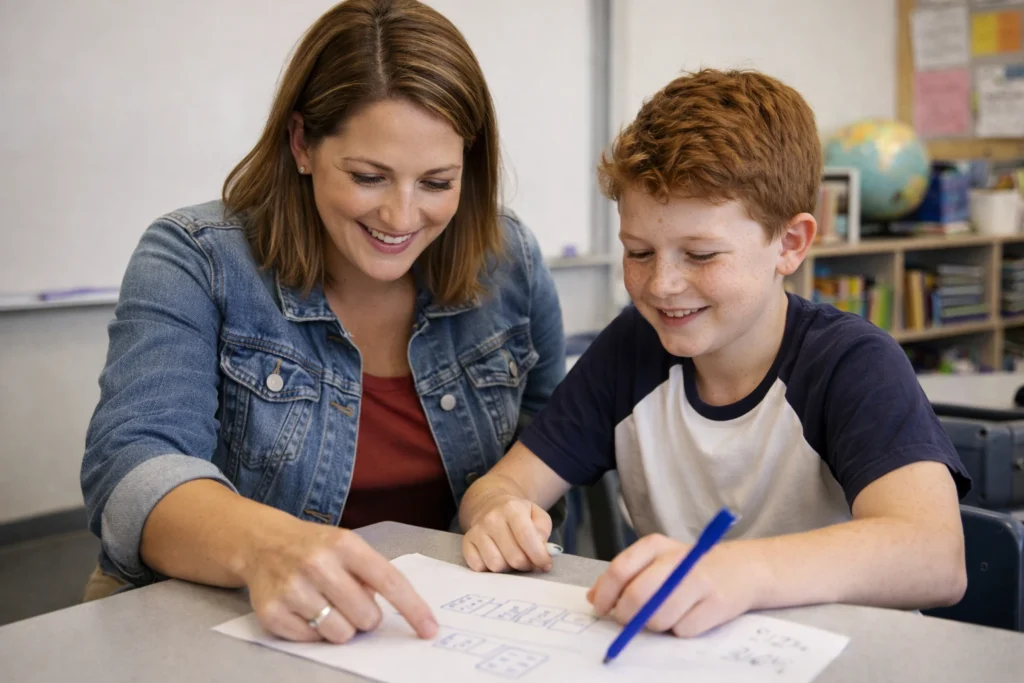
Incorporating examples from students’ lives (like sports, music, or local events) makes the material suddenly click in ways it wouldn’t with generic examples.
For instance, if you know a student loves basketball, use basketball stats in a maths lesson to explain percentages or averages. Abstract concepts become easier to understand because they connect to something students already care about.
Pacing is also important here. If students are struggling with a concept, slow down and break it into smaller steps. For students flying through the work, add a challenge to keep them engaged.
Your Next Step as a Relief Teacher
These rapport-building strategies work best when you use them consistently, not just on your first day at a school. The more you practice asking questions, learning names, and staying patient, the more natural the connection becomes in every classroom.
Start with one or two techniques tomorrow and build from there. You’ll see the difference in how they engage when you make that commitment, and those small wins add up quickly.
For more practical teaching tips and resources, visit Francis Orr. We’ve been supporting teachers since the nineties with insights that help you succeed in any classroom.