

Your first week in the classroom can feel like a blur of names, lesson plans, and nerves. But here’s what most new teachers don’t expect: the relationships you build in those early days will shape the entire school year.
We’ve seen this firsthand at Francis Orr after placing teachers into schools right across Australia. The ones who focus on connection from the first day always settle in faster because students respond to trust before anything else.
So we built this guide around practical new teacher advice for earning trust and keeping students engaged. You’ll also pick up strategies that even experienced teachers wish they’d learned earlier in their careers.
New Teacher Advice Worth Applying Early
The best advice any first-year teacher can learn early on is to focus on students before lesson plans. That means learning names quickly, asking questions that go beyond yes or no, and paying attention to how kids respond in the first few days of class.
Even something as simple as greeting students at the door by name tells them you see them as individuals, instead of just faces in a room (even the names that take a few goes to get right).
And honestly, it shows when a teacher has taken the time to do this. Students engage more, talk more openly, and start to trust the process faster.
Consistency plays a big role here too. If you say you’ll do something, follow through. First-year teachers who match their words with actions create classrooms where students feel safe enough to speak up and get things wrong.
Why Classroom Management Begins With Connection
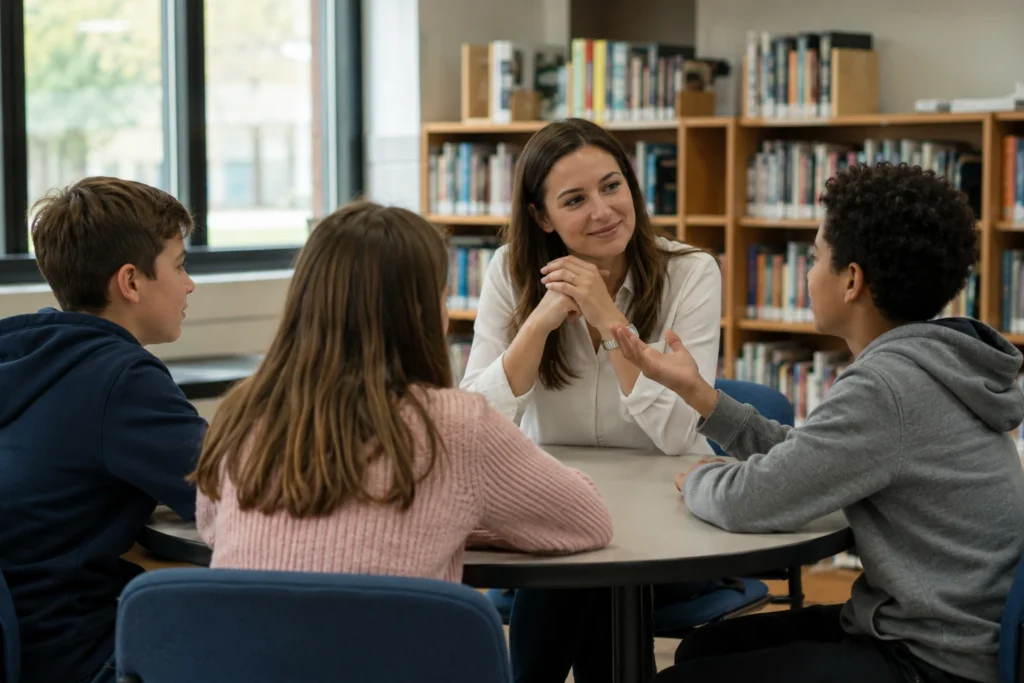
Ever noticed how the quietest classrooms aren’t always the ones where students learn the most? That’s because compliance and engagement aren’t the same thing. Frankly, most behavioural issues in week one aren’t about behaviour at all. They come from kids who don’t yet feel connected to their teacher.
According to the Australian Student Wellbeing Framework, students do better when they feel safe and included in their school community. So, here are a few ways teachers can build that bond early:
- Greet Kids at the Door: A quick hello before class sets the tone for the whole lesson. Students walk in ready to engage, and you get a chance to read the room before teaching even begins.
- Handle Issues Privately: Calling a student out in front of others creates tension that can last for days. A quiet word after class keeps their dignity intact and builds respect both ways.
- Ask About Their World: A short question about their weekend or interests tells students you care beyond the classroom. It also gives you useful context about what’s going on in their lives outside of school.
Across hundreds of classrooms, we’ve watched this play out. Teachers who lead with trust spend far less time correcting behaviour later in the school year.
How New Teachers Can Build Trust Before the First Lesson Ends
Once that connection is in place, the next step is earning their trust. For new teachers, that starts the moment students walk into the room on the first day.
Believe it or not, a quick story about your weekend can land better than any planned icebreaker. When a teacher shares something real, students start to open up and join in. From there, you can try a low-stakes activity where every kid gets a turn to talk, something like “two truths and a lie” where nobody gives a wrong answer.
Follow-through counts just as much. If you tell your class you’ll do something, do it (broken promises stick with students longer than you’d think). That one act of keeping your word will influence how students view you all year.
You can take this further with these inclusive classroom strategies for making every student in your classroom feel welcome.
Setting Clear Expectations Without Shutting Students Down

Connection is one piece of the puzzle, but your classroom also needs structure. That’s why every first-year teacher quickly learns that clear expectations help students feel secure. But the thing is, guidelines only work when students feel like they had a hand in creating them.
Research from the Education Endowment Foundation’s evidence-based behaviour guidance backs this up. A few strategies worth trying in your first week of teaching:
- Co-create the Boundaries Together: Ask students what a good classroom looks like (they’re usually more reasonable than we expect). Kids who help set the standards are far more likely to stick to them.
- Frame Everything Positively: Tell students what they can do, not what they can’t. “Listen when someone talks” lands better than “don’t talk over each other.”
- Revisit and Remind Often: Go over expectations regularly during the first few lessons. Recognise students who get it right rather than only pointing out what went wrong.
By term two, teachers who built this foundation early in their first year spend far less class time on behaviour and more on actual learning.
Now, let’s look at something most first-year teachers overlook.
What Other Teachers Can Teach You in Your First Year

You don’t have to figure out teaching on your own. In fact, other teachers at your school have already learned what works, and most are happy to share.
In our experience, new teachers who lean on colleagues early find their feet much faster. Whenever you get the chance, sit in on a veteran teacher’s lesson. Watch how they manage transitions between activities and bring kids back on task after group work. Trust us, no course prepares you for that.
A quick chat in the staffroom can also answer questions you didn’t know you had. Ask a fellow teacher how they handled their first year, and their stories will make your own first months feel less isolating.
Bottom Line: The educators who learned to ask for support early are almost always the ones who stay in teaching long-term.
Going the Extra Mile in Your First School Year
The effort you put into your first week of teaching will carry through the rest of the school year.
Learning a student’s name or asking a colleague for advice might seem small, but these moments build the kind of classroom kids want to come back to. And the teachers who go the extra mile early on are the ones students remember long after the last bell.
If you’re starting out in education and looking for support, we’re here to help. At Francis Orr, we connect first-year teachers with schools across Australia and give new educators the advice and resources they need from day one.