

A memorable relief teacher leaves the classroom organised, the students settled, and the regular teacher set up for a smooth return. That starts with the habits you show before the lesson even begins.
The thing is, principals and office staff notice things like arriving early, checking in with nearby teachers, and leaving clear notes for the regular teacher. These small actions influence whether you get repeat booking requests or silence.
In this guide, we’ll walk through what actually makes a relief teacher memorable, including the professional habits and classroom skills that schools value most.
What Schools Really Notice About a Relief Teacher

Schools pay attention to how a relief teacher handles the full day (not just the lesson itself). In fact, your attitude, communication, and professionalism all affect whether you get booked again.
Here’s what actually earns those repeat requests.
Professionalism Starts Before Students Arrive
The best casual relief teachers show up early, read through school procedures and get materials ready so the room is good to go. That kind of preparation tells staff you take the role seriously.
And when plans change at the last minute (which happens a lot in relief teaching), how you respond is just as important as being prepared. The timetable might change overnight, or you may arrive to find no lesson plan at all. But if you stay calm and adapt to these situations, staff are more likely to remember you for the right reasons.
Classroom Management Builds Trust
Strong classroom management is about building a positive environment, rather than just keeping kids quiet.
It starts by setting clear expectations in the first few minutes of class so students know what’s expected of them. Even something as simple as writing your name on the board creates structure from the get-go.
Now, things won’t always go to plan, but staying calm shows both students and staff that you can manage unexpected challenges confidently. Raising your voice or losing composure does the opposite, even if the situation was not your fault.
Your approach also needs to shift depending on the setting. For example, when teaching preschool or kindergarten children, you might use reward charts and gentle redirection. However, covering Year 10 science in secondary schools will rely more on clear boundaries and mutual respect.
Basically, the relief teachers who read the room and adapt across year levels are the ones schools keep calling back.
The Hidden Decision-Makers Behind Repeat Bookings
Most casual relief teachers focus on impressing the principal. But the people who actually influence your next booking might surprise you. These are the staff members who form opinions about your work:
- Administration Staff: A friendly check-in at the front desk creates a positive first impression. This shows the administration staff that you arrived on time, signed in properly, and followed school procedures without needing reminders.
- Daily Organisers: If your name means a stress-free day for this crew, you will get rebooked. They track how smoothly things ran and whether any problems ended up on their desk.
- Assistant Principals: Even a passing comment in the staffroom can work in your favour. They pick up secondhand feedback from teachers and support staff throughout the day, so impressions travel fast.
- Teacher Aides: These are the people working right beside you in the classroom. Treating them as partners rather than assistants will leave a much stronger impression.
- Neighbouring Teachers: A quick hello in the morning helps build a positive relationship with the teachers around you. They notice how well your class stays on task, how students behave during transitions, and if disruptions spill into nearby classrooms. They also often share their observations informally with school leadership.
When these people have a good experience working alongside you, your name moves to the top of the list. Many casual teachers underestimate the value of that kind of reputation.
Why Schools Value Predictability Over Perfection
Schools don’t expect a relief teacher to deliver a flawless day. Instead, they want someone reliable and consistent. That’s why you should follow the lesson plans left by the regular teacher. You should also ask sensible questions when something is unclear and try to solve small problems on your own.
For example, if the projector isn’t working, check with the teacher next door before calling the front office. Small, independent problem-solving like this takes pressure off staff and builds trust quickly.
Respecting the school’s culture also goes a long way. After all, every school runs differently. Some are strict on uniforms and device use, others are more relaxed. The qualified teachers who pick up on those cues and adjust without creating extra work for staff are the ones who build trust the fastest.
Small Professional Habits That Lead to More Relief Teaching Opportunities

The relief teachers who stay consistently booked all share one thing. They build small professional habits that make schools want to call them back. Let’s look at the habits that lead to more repeat bookings for casual relief teachers (CRTs).
Leave Handover Notes Teachers Appreciate
A solid set of handover notes is one of the easiest ways to stand out as a relief teacher. Most casual teachers either skip this step entirely or leave behind something too vague to be useful. So have a look at what’s worth including:
- Work Completed: Start with a quick list of which activities or lessons the class got through. This way, the regular teacher knows exactly where to pick up the next morning.
- Student Behaviour: An honest but fair summary of how the class went also helps. Focus on patterns rather than singling out individual students, as that gives the teacher a clearer picture.
- Positive Achievements: Don’t forget to highlight the wins too. Returning teachers love hearing which students stepped up or had a great day.
- Unfinished Activities: If the class didn’t get to everything, flag what was missed and briefly note why. Maybe it was a timing issue, or perhaps the task needed more scaffolding than expected.
- Resources Used: Make a quick note of the worksheets, books, or equipment you used. This helps the regular teacher find everything easily and reduces the chance of resources going missing.
- Students Who Need Follow-Up: Sometimes a student might be upset, unwell, or struggling during the day. A short, respectful note about it gives the regular teacher a head start before class begins.
- Anything Else Worth Mentioning: Finally, include any useful information the regular teacher may not know. For example, you can mention that the fire drill interrupted Period 3 or a projector stopped working. Small details like these can save a lot of confusion the next morning.
Notes like these show respect for the regular teacher’s work. They also give the school one more reason to put your name at the top of the booking list.
Make Yourself Easy to Book Again
Schools need to be able to find you quickly and know you are available. So respond to booking requests promptly (even a simple confirmation within the hour shows reliability).
It also helps to keep your ClassCover profile up to date with current qualifications and availability. Be honest about the days you can actually commit to. Being dependable on three days a week builds more trust than saying yes to five and cancelling two.
And don’t underestimate the value of a good relationship with office staff. A quick thank-you email after a booking might keep you front of mind when the next shift comes up.
Invest in Professional Development Between Bookings
Gaps between shifts are a good time to work on professional development. Even short online courses in areas like classroom management or student wellbeing can sharpen your skills and prepare you for your next booking.
This kind of learning also makes you more adaptable across different school settings. And the more tools you have in your teaching bag, the easier it is to handle unfamiliar year levels or subjects.
Ready to Build a Teaching Career Through Casual Relief Teaching?
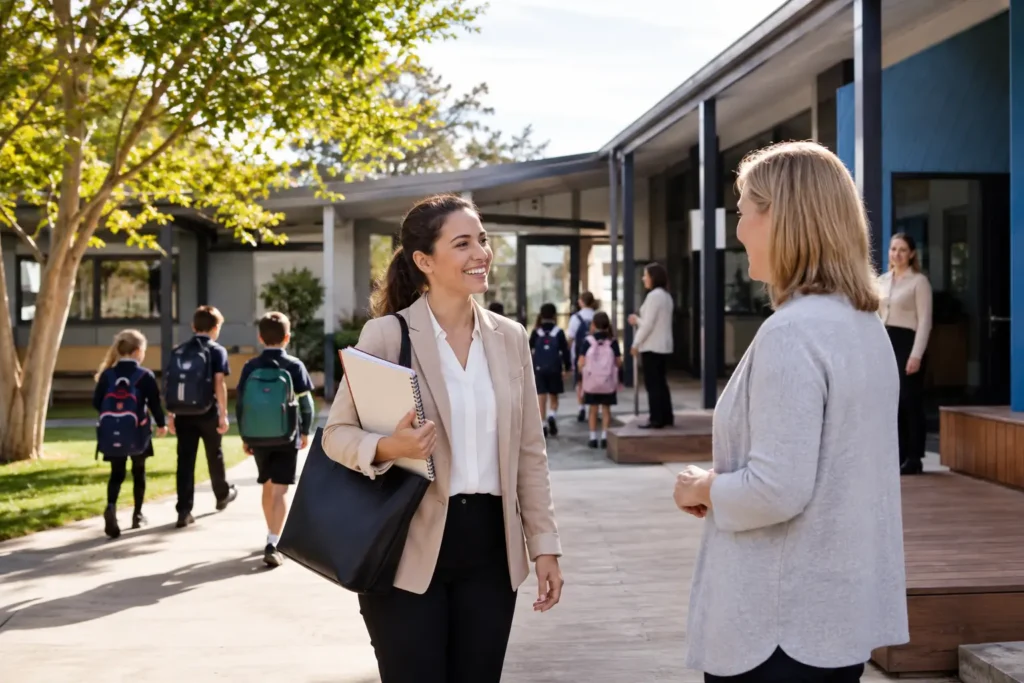
Every visit to a new school is a chance to build your reputation as a relief teacher. And while good classroom management matters, it’s only part of what makes you memorable. How you communicate, the relationships you build and your reliability are what actually drive repeat booking requests.
The good thing about casual relief teaching is that it can open the door to new opportunities. Expanded networks, professional development and even permanent positions all start with showing up well, one day at a time. Just focus on being consistent rather than perfect.
If you’re looking for more relief teaching opportunities, Francis Orr can help you find your next booking.